
Quick Conversion Table
| Brand | Equivalent | Match |
|---|---|---|
| Anchor | 903 | close |
| Madeira | 1905 | close |
| Cosmo ⚠ | 2646 | close |
| Sullivans | 45165 | close |
A Variegated Thread That Does the Shading for You
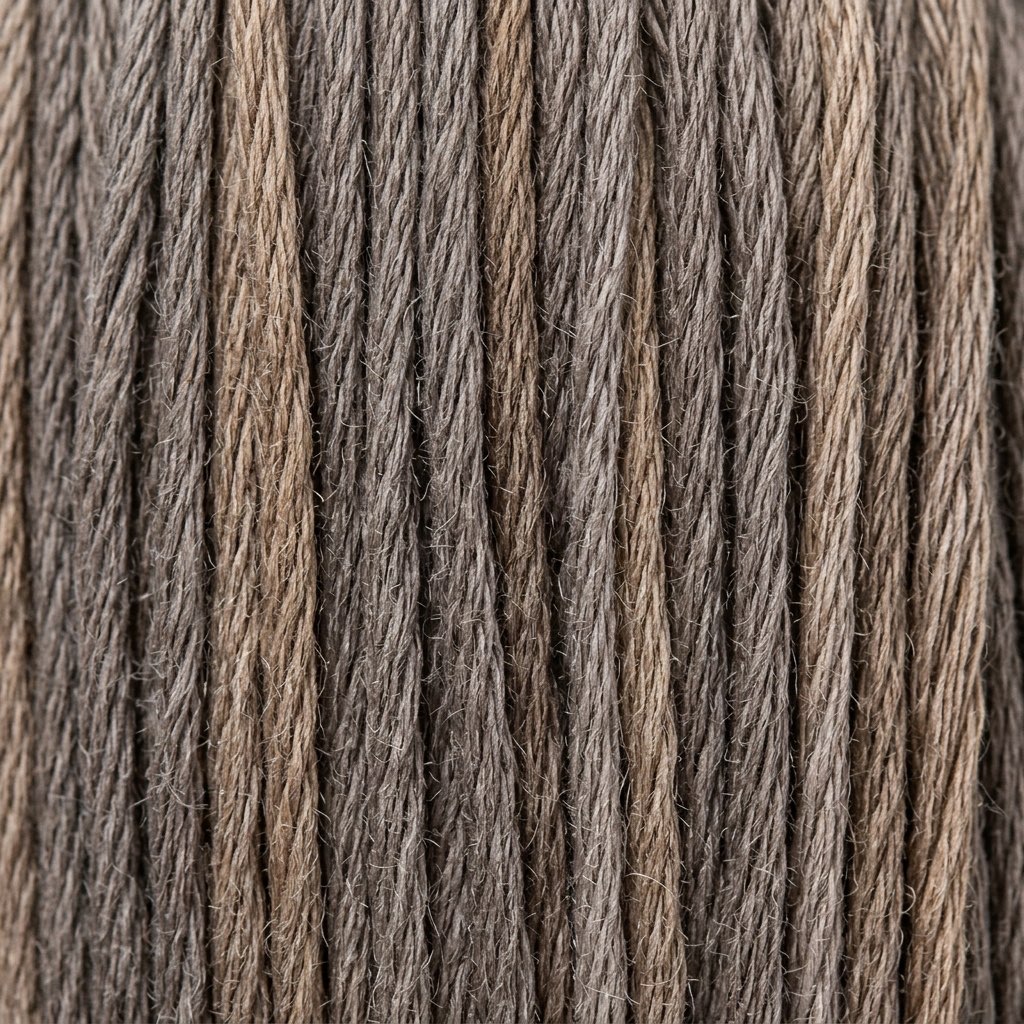
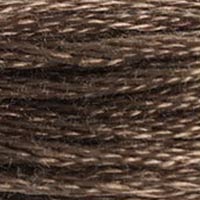
Variegated threads polarize the cross-stitch community like few other topics. Some stitchers swear by them for the effortless depth they bring to a design; others avoid them entirely, preferring the control of selecting each shade by hand. DMC 101 sits right in the middle of that debate — a variegated gray brown that transitions gently between cool stone-gray and warm taupe-brown along each strand, creating a subtle, natural variation that mimics the way real surfaces actually look. Not the wild color swings of some variegated threads, but a quiet, sophisticated drift between closely related tones.
What makes 101 unusual among DMC's variegated lineup is its restraint. Where threads like DMC 115 (Variegated Garnet) or DMC 121 (Variegated Blue) cycle through obviously different values, 101 stays within a narrow band. The shift from gray to brown is gentle enough that you might not notice it in a single stitch — but across a filled area of twenty or thirty stitches, the accumulated variation creates a texture that solid thread simply cannot replicate. It's the difference between a photograph of a stone wall and a painting of one. Both are recognizable, but only one has that slightly alive, slightly unpredictable quality.
This muted variegation makes 101 particularly effective for subjects that benefit from organic, irregular surfaces: weathered wood, aged stone, natural linen, old plaster walls, animal fur with that salt-and-pepper quality. In portrait work, 101 can serve as an unconventional but effective background fill — the gentle variation breaks up what would otherwise be a flat, monotonous expanse, adding visual interest without competing with the subject.
Working With Variegated Thread: Technique Matters
How you stitch with DMC 101 dramatically affects the result. The Danish method — completing each row of half-stitches before returning to complete the crosses — produces a more uniform, gently blended look because the color transitions spread evenly across the row. The English method, completing each cross individually before moving on, creates more pronounced pockets of color variation because each stitch captures a different point on the color gradient. Neither approach is wrong, but they produce noticeably different textures.
Cross-country stitching (jumping between scattered stitches of the same color) tends to produce the most random, organic effect with variegated threads, since each stitch picks up whatever section of the gradient happens to be next on your needle. For a stone wall or bark texture, this randomness is a feature, not a bug. For a smoother, more controlled transition, stick with Danish method and work in orderly rows.
Strand count matters here too. With two strands on 14-count Aida, each strand will be at a slightly different point in its color cycle, producing a heathered, blended look within each individual stitch. Using a single strand on higher-count fabric gives you cleaner color shifts from stitch to stitch, since there's no blending within the cross itself. For maximum variegated effect, try a single strand over one on 28-count linen — you'll see the gray-to-brown transitions play out beautifully across tiny, precise stitches.
Pairing 101 With Solid Browns and Grays
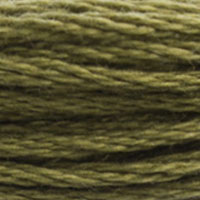
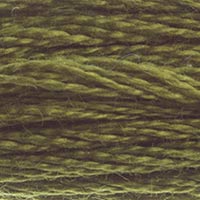
Variegated threads work best when they have solid companions to anchor them. Because 101 drifts between gray and brown, it bridges beautifully between solid threads from both families. Pair it with DMC 3790 (Ultra Dark Beige Grey) for deep shadows and DMC 3033 (Very Light Mocha Brown) for highlights, and you have a three-thread palette that handles everything from shadowed stone to sunlit plaster. The variegated middle value ties the cool gray and warm brown together in a way that two solid threads placed side by side never could.
For woodland and nature scenes, try 101 alongside DMC 3032 (Medium Mocha Brown) and DMC 648 (Light Beaver Grey). The variegated thread acts as a transition zone — use it where bark meets lichen, where a dirt path edges into shadow, where the underside of a mushroom cap shifts from brown to gray. These are exactly the areas where a single solid color looks wrong because nature doesn't do uniform color in transitional spaces.
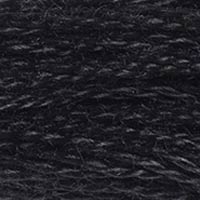
One word of caution: variegated threads can look busy or distracting when placed next to highly saturated, solid colors. The gentle variation that reads as natural texture next to other earth tones can look like a mistake next to a block of pure DMC 310 (Black) or DMC 321 (Red). Use 101 in contexts where its subtlety is an asset — muted, naturalistic, organic — and keep it away from bold graphic designs where clean, solid color coverage is the point.
The Variegated Challenge: Finding True Equivalents for DMC 101
Substituting any variegated thread is trickier than swapping solids, because you're matching not just a color but a color range — the specific tones the thread cycles through, how quickly it transitions, and how wide the value gap is between its lightest and darkest points. Two variegated threads can look identical at one point in their cycles and completely different at another.
Anchor 903 is listed as a close match, though Anchor's variegated processing can produce slightly different gradient lengths than DMC's. Before committing to a full project, stitch a small test swatch using whichever method you plan to use (Danish, English, or cross-country) and compare the overall texture against a swatch of the DMC original. The individual stitch colors may match well, but the rhythm of the color changes might differ.
Madeira 1905 follows a similar gray-brown range and is worth testing. Madeira's variegated threads sometimes have a slightly smoother transition between colors — less abrupt shifts, more gradual blending — which can be either a benefit or a drawback depending on whether you want visible color pockets or a seamless drift.
If you can't find a variegated substitute that satisfies you, consider mimicking the effect with solid threads. A blended needle using one strand of DMC 3790 (Ultra Dark Beige Grey) and one strand of DMC 3032 (Medium Mocha Brown) won't replicate the gradual color shift, but it will create that same gray-brown heathered quality that makes 101 useful. Alternately, randomly alternating between two or three solid earth tones — stitching a few crosses in one, then switching to another without any pattern — can approximate the organic variation that variegated threads provide naturally. It's more work, but it gives you complete control over where the color shifts occur.
Reference quality
How We Validate This Color Record
Use this page as a reference card for DMC 101: the structured data, quick conversions, and long-form copy are all tied back to the same stored color record.
- Methodology
- This page renders DMC 101, its hex value, and every brand equivalent from the site's source-of-truth color record, then checks long-form body copy against those same stored fields.
- Verification status
- Source-field checked. The page content is audited against the stored DMC number, brand equivalents, and match-quality labels before publishing.
- Last reviewed
- 2026-04-20
- Approximation warning
- Screen hex values, thread photos, and cross-brand conversions are reference aids. Dye lots, thread sheen, and fabric color can still shift the result in hand.
Decision guide
When to use the DMC 101 reference page
This page should help you decide faster between palette planning, brand substitution, and shade comparison without turning the color record into a thin lookup page.
Best for
- + Palette planning when you want the stored DMC 101 Variegated Gray Brown record, hex value #988070, and linked brand equivalents in one place.
- + Checking the quickest cross-brand shortlist before you buy floss, compare stash substitutes, or route into a more specific conversion page.
- + Finding nearby shades in the browns family before you commit to accents, shading, or background blends.
Watch for
- ! Screen previews are only reference aids. Variegated Gray Brown can shift on real fabric because thread sheen, stitch coverage, and room lighting change how the color reads.
- ! A stored equivalent is still a shortlist, not a guarantee that two brands will disappear into each other in the same stitched motif.
- ! Older charts, discontinued kit floss, and dye-lot variation can all introduce small but visible differences that the page cannot detect for you.
Before you commit
- Confirm the role of DMC 101 Variegated Gray Brown: decide whether you need an exact hero shade, a forgiving background, or a rough stash substitute.
- Compare on project fabric: view the skein or stitched sample on the same fabric count and color you will actually use.
- Use the linked conversion pages next: open the brand-specific pages when you need match-quality caveats before substituting away from the DMC reference.
DMC 101 FAQ
These questions appear on the page so the FAQ schema stays aligned with what visitors can actually read.
What is the Anchor equivalent of DMC 101?+
The closest Anchor equivalent to DMC 101 (Variegated Gray Brown) is Anchor 903. This is a close match.
What color is DMC 101?+
DMC 101 is called "Variegated Gray Brown" and has a hex color value of #988070. It belongs to the browns color family.
What is the Madeira equivalent of DMC 101?+
The closest Madeira equivalent to DMC 101 (Variegated Gray Brown) is Madeira 1905. This is a close match.
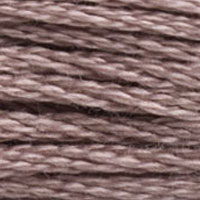
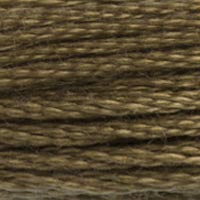
How DMC 101 Looks on Fabric
The same thread appears different depending on your fabric. Always test on your project fabric.
White Aida
Cream / Ecru
Black Aida
Pairs Well With
DMC colors commonly used alongside 101 Variegated Gray Brown.
Suggested Palette
Shading Companions
Detailed Conversions
Where to Buy DMC 101
This section contains affiliate links. We may earn a small commission at no cost to you.
Related Guides
Free Printable Thread Conversion Chart
Pick a brand and download a printable chart mapping all 552 DMC colors to that brand's closest equivalents. Free — no signup needed.
Opens in a new tab. Use your browser's Print → Save as PDF.