
Quick Conversion Table
| Brand | Equivalent | Match |
|---|---|---|
| Anchor | 1203 | close |
| Madeira | 0609 | close |
| Cosmo ⚠ | 2583 | close |
| Sullivans | 45082 | close |
Variegated Thread, Singular Effect
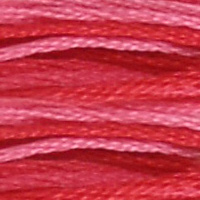
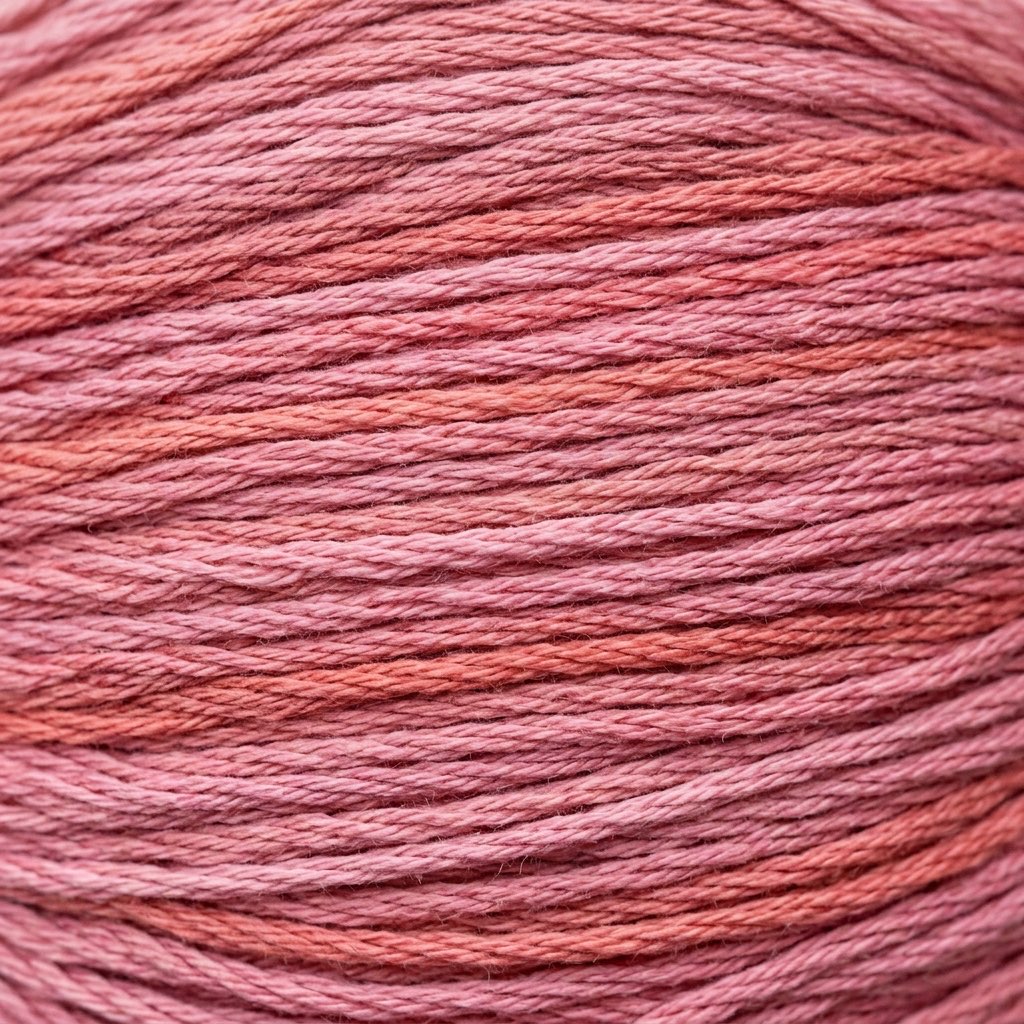
DMC 107 is one of those threads that does half your shading work for you. As a variegated dusty rose, it shifts gradually along a single strand from deeper mauve-pink into softer, lighter rose, creating organic tonal variation within each stitch. For stitchers accustomed to switching between two or three solid-color skeins to build a gradient, working with 107 feels almost like cheating — in the best possible way.
The variegated nature of this thread means that no two stitched areas look identical. Each cross absorbs a slightly different portion of the color transition, producing a dappled, painterly quality that solid threads simply cannot replicate. This is the thread's great strength and its great challenge: you surrender some control over exactly where light and dark fall, and in return you get a natural-looking variation that would take hours to achieve through blended needle technique with solid colors.
The dusty rose palette here sits firmly in warm pink territory with a muted, slightly greyed quality — not the bright, candy-shop pink of the carnation family, but something more like dried rose petals pressed between book pages. That dustiness is what saves 107 from reading as juvenile or overly sweet. It has sophistication baked in, a quality that makes it equally at home in vintage samplers and contemporary abstract designs.
Working with Variegated Threads: Technique Matters
How you stitch with DMC 107 dramatically affects the finished result. The two main approaches — cross-country and Danish method — produce noticeably different effects with variegated thread. Cross-country stitching (completing each cross before moving to the next) tends to create a more random, scattered color distribution, because each complete stitch captures whatever section of the color gradient happens to be on your needle. Danish method (stitching all bottom legs first, then returning to complete the tops) creates more visible diagonal streaks of color, since you're laying down long runs of thread that transition smoothly.
Neither method is wrong, but you should choose deliberately. For floral designs where you want a natural, petal-like variation in color — think cabbage roses, peonies, or those gorgeous overblown garden roses — cross-country tends to give you that organic randomness. For geometric patterns, borders, or backgrounds where you want the variegation to create a more orderly, flowing effect, Danish method lets the color changes form visible waves across the stitched area.
Strand count matters more than usual here too. Two strands give you double the color variation within each stitch, since each strand likely carries a different portion of the gradient. One strand on higher-count fabric produces subtler, more controlled transitions. If you find that two strands create too much visual chaos in a small area, try pulling your strands from different parts of the skein so they carry similar portions of the color range, or switch to a single strand on 18-count or higher.
Where 107 Shines in Design
Shabby chic and cottage-style designs lean on threads exactly like this. That muted, romantic rose quality — shifting through its own gradient — evokes the faded floral wallpaper and sun-bleached fabrics of English country houses. Pair 107 with DMC 3354 (Light Dusty Rose) and DMC 3733 (Dusty Rose) as solid companions to fill in areas where you want consistent color alongside the variegated sections. The solid threads anchor the design, and 107 provides the visual interest.
For cherry blossom and sakura designs, 107 offers something special. The way the color shifts within each stitch mimics the natural gradation within a real blossom — darker at the center, fading to pale at the petal edges. You don't need to plan which color falls where; the thread does the work. Pair with DMC 818 (Baby Pink) for the palest petal highlights and DMC 3350 (Ultra Dark Dusty Rose) for the calyx and branch shadows.
Wedding samplers and bridal-themed pieces love this thread too. The dusty rose tone is perpetually in style for wedding palettes, and the variegation adds a dimensional quality to hearts, flowers, and decorative borders that solid pinks lack. On natural linen, 107 takes on an even more vintage character — the warm fabric color filtering through the stitches softens the pink further and enhances the antique quality that makes wedding samplers feel like future heirlooms rather than craft projects.
The Variegated Substitution Challenge
Replacing a variegated thread is never straightforward, because you're not just matching a single color — you're matching a color range and the rate at which the transition happens along the strand. Two variegated threads might hit similar pink-to-rose endpoints but shift at different speeds, producing completely different effects when stitched.
Anchor 1203 is your closest option and captures the dusty rose character reasonably well, though the transition points may not align perfectly with DMC 107. The safest approach is to stitch a small test area on scrap fabric and compare from a few feet away — variegated threads need to be judged at viewing distance, not up close, because the magic is in the overall impression. Madeira 0609 hits a similar dusty-rose zone with Madeira's characteristic slightly silkier twist, which can subtly alter how the color gradient distributes across your stitches.
Cosmo 2583 takes a close approach but may exhibit a different variegation rate — Cosmo's variegated threads sometimes shift over shorter intervals, creating a busier, more mottled appearance than DMC's gradual transitions. This can be lovely or distracting depending on the design, so test before committing to a full piece.
If you can't find any of these, consider an alternative strategy: use two solid DMC colors in a blended needle to simulate the effect. One strand of DMC 3354 (Light Dusty Rose) combined with one strand of DMC 3733 (Dusty Rose) in the same needle produces a heathered, two-tone effect that captures the spirit of 107's variation without the gradual transitions. It won't be identical, but it's a reliable workaround that keeps you in the same color territory.
Reference quality
How We Validate This Color Record
Use this page as a reference card for DMC 107: the structured data, quick conversions, and long-form copy are all tied back to the same stored color record.
- Methodology
- This page renders DMC 107, its hex value, and every brand equivalent from the site's source-of-truth color record, then checks long-form body copy against those same stored fields.
- Verification status
- Source-field checked. The page content is audited against the stored DMC number, brand equivalents, and match-quality labels before publishing.
- Last reviewed
- 2026-04-20
- Approximation warning
- Screen hex values, thread photos, and cross-brand conversions are reference aids. Dye lots, thread sheen, and fabric color can still shift the result in hand.
Decision guide
When to use the DMC 107 reference page
This page should help you decide faster between palette planning, brand substitution, and shade comparison without turning the color record into a thin lookup page.
Best for
- + Palette planning when you want the stored DMC 107 Variegated Dusty Rose record, hex value #D87890, and linked brand equivalents in one place.
- + Checking the quickest cross-brand shortlist before you buy floss, compare stash substitutes, or route into a more specific conversion page.
- + Finding nearby shades in the pinks family before you commit to accents, shading, or background blends.
Watch for
- ! Screen previews are only reference aids. Variegated Dusty Rose can shift on real fabric because thread sheen, stitch coverage, and room lighting change how the color reads.
- ! A stored equivalent is still a shortlist, not a guarantee that two brands will disappear into each other in the same stitched motif.
- ! Older charts, discontinued kit floss, and dye-lot variation can all introduce small but visible differences that the page cannot detect for you.
Before you commit
- Confirm the role of DMC 107 Variegated Dusty Rose: decide whether you need an exact hero shade, a forgiving background, or a rough stash substitute.
- Compare on project fabric: view the skein or stitched sample on the same fabric count and color you will actually use.
- Use the linked conversion pages next: open the brand-specific pages when you need match-quality caveats before substituting away from the DMC reference.
DMC 107 FAQ
These questions appear on the page so the FAQ schema stays aligned with what visitors can actually read.
What is the Anchor equivalent of DMC 107?+
The closest Anchor equivalent to DMC 107 (Variegated Dusty Rose) is Anchor 1203. This is a close match.
What color is DMC 107?+
DMC 107 is called "Variegated Dusty Rose" and has a hex color value of #D87890. It belongs to the pinks color family.
What is the Madeira equivalent of DMC 107?+
The closest Madeira equivalent to DMC 107 (Variegated Dusty Rose) is Madeira 0609. This is a close match.
How DMC 107 Looks on Fabric
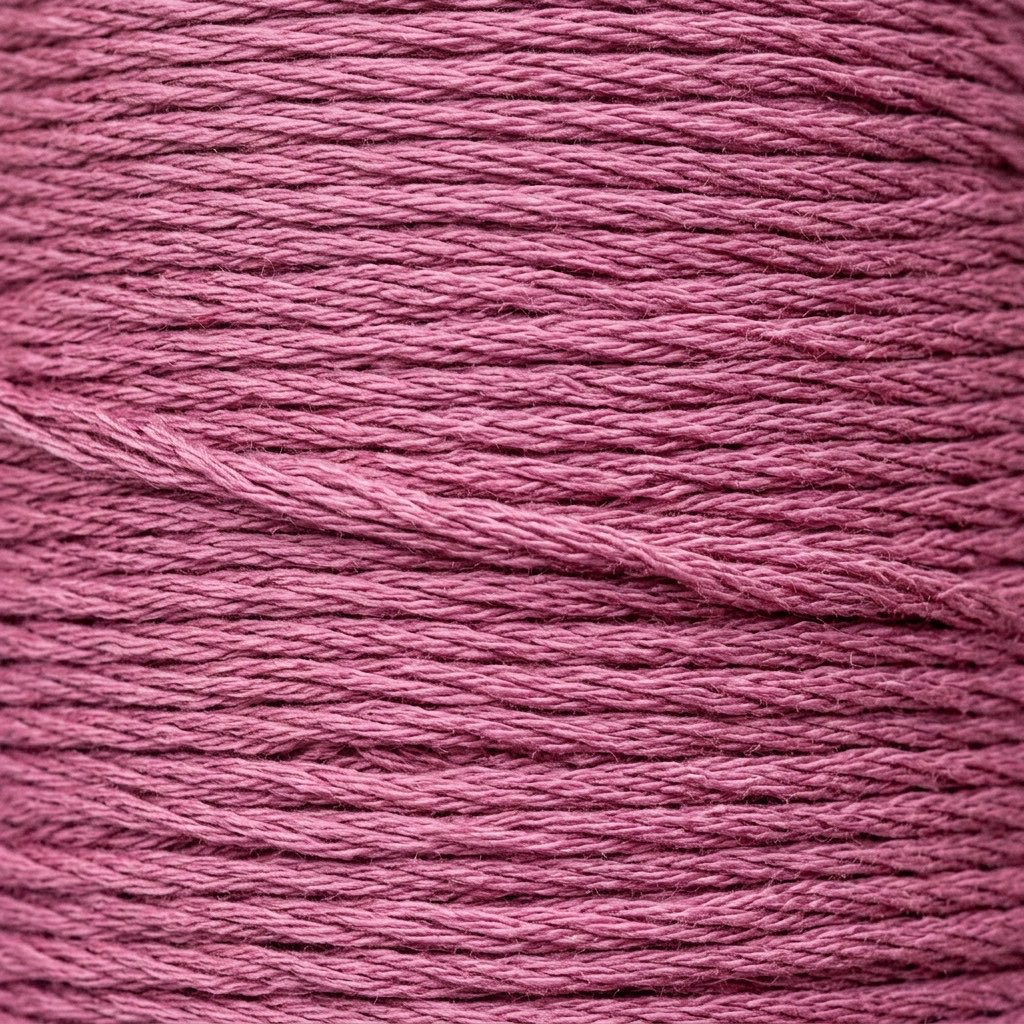
The same thread appears different depending on your fabric. Always test on your project fabric.
White Aida
Cream / Ecru
Black Aida
Pairs Well With
DMC colors commonly used alongside 107 Variegated Dusty Rose.
Suggested Palette
Shading Companions
Detailed Conversions
Where to Buy DMC 107
This section contains affiliate links. We may earn a small commission at no cost to you.
Related Guides
Free Printable Thread Conversion Chart
Pick a brand and download a printable chart mapping all 552 DMC colors to that brand's closest equivalents. Free — no signup needed.
Opens in a new tab. Use your browser's Print → Save as PDF.