
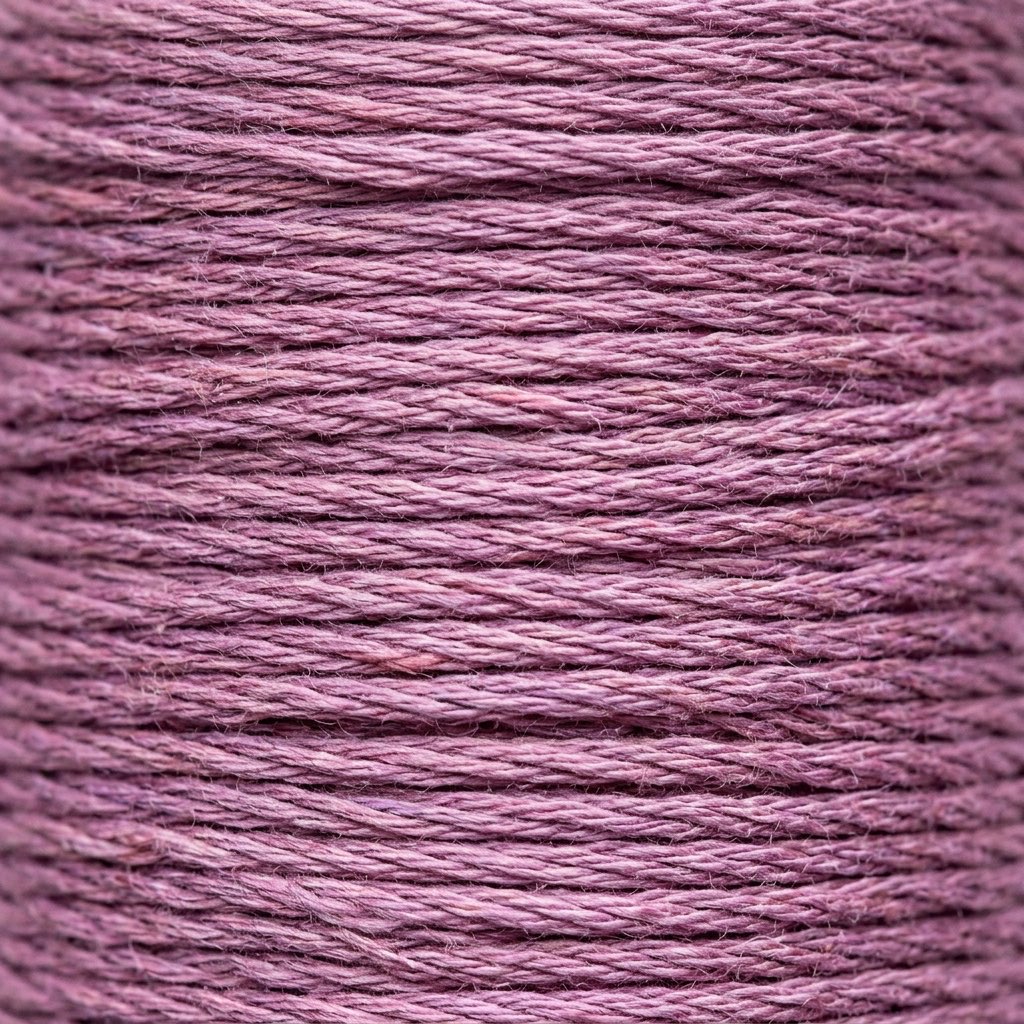
DMC 120 — Variegated Shaded Mauve
Pinks family · Hex #B878A0
Quick Conversion Table
| Brand | Equivalent | Match |
|---|---|---|
| Anchor | 87 | close |
| Madeira | 0709 | close |
| Cosmo ⚠ | 2628 | close |
| Sullivans | 45107 | close |
Between Pink and Purple: The Mauve Question
Mauve is a tricky word in the thread world. Ask ten stitchers to point to mauve on a color wheel and you'll get answers scattered from cool pink to warm purple and everywhere in between. DMC 120 sits right in that ambiguous territory — a variegated thread that shifts through shades of pink-purple, never quite committing to one or the other. That refusal to settle is exactly what makes it interesting.
The "shaded" in the name tells you something the "variegated" alone doesn't. Where a standard variegated thread shifts between different hues, a shaded variegated moves primarily through different values of the same hue family — lighter to darker within a single color identity. With 120, you get transitions from a medium-light mauve-pink through to deeper, more saturated purple-pink tones, all staying within the mauve corridor. The result, when stitched, looks less like a random color scatter and more like natural shading, as though light is falling unevenly across a single-colored surface.
This makes 120 a natural fit for anything that benefits from built-in dimensionality. Flower petals are the obvious application — particularly peonies, where the dense, layered structure of the bloom creates natural shadows between petals. A solid mauve gives you flat petals; DMC 120 gives you petals that appear to fold over each other, catching and losing light. You can stitch an entire peony in nothing but 120 and still get visual depth.
Ballet Slippers and Twilight Skies
The mauve color family occupies a cultural space that's simultaneously romantic and refined. It's the color of ballet pointe shoes worn soft, the last light in a winter sky just after sunset fades from pink to purple, the inside of certain seashells where pink deepens into violet. DMC 120 captures all of these associations, and its variegated nature means you can evoke any of them depending on context.
For dance-themed cross-stitch — ballet shoes, tutus, dancer silhouettes — 120 offers a dimensional quality that brings fabric textures to life. A tutu stitched in solid pink looks flat; one stitched in 120 has the layered, tulle-like quality of a real ballet skirt, with light and shadow playing through the material. Pair it with DMC 3689 (Light Mauve) for highlighted areas and DMC 3687 (Mauve) for solid accents that anchor the variegated sections.
Sunset and twilight palettes benefit enormously from 120 as a transition thread. That moment when the sky shifts from warm pink to cool purple — which happens faster than you'd think if you're trying to stitch it — is exactly where 120 lives. Use it as the middle band in a sunset gradient, bridging between DMC 3708 (Light Melon) on the warm side and DMC 3746 (Dark Blue Violet) on the cool side. The variegated transitions within the thread mirror the way real sky color shifts, never hard-edged, always gradual.
Technique Considerations for Shaded Variegateds
Because 120 is shaded rather than randomly variegated, your stitching direction and method matter more than usual. If you're using the Danish method and stitching rows of bottom legs followed by top legs, the shading will create visible diagonal color bands across your work — which can look like intentional directional shading if your design supports it, or like unintentional streaking if it doesn't.
For organic subjects like flowers and sky, cross-country stitching typically distributes the value changes more naturally. For geometric borders or decorative bands where you actually want the shading to create a wave-like pattern, Danish method turns that natural gradient into a design element. Some stitchers working large areas in 120 deliberately alternate their stitching direction every few rows to prevent any single pattern from dominating.
Thread length also affects the outcome. Shorter lengths (about 12-15 inches) mean each cut captures less of the total gradient, so your stitches within one thread length will be more uniform. Longer lengths (18-24 inches) capture more of the shade range, giving each section of stitching its own mini-gradient. For large fills, longer lengths usually produce more interesting results. For small motifs where you want more control, shorter lengths keep things predictable.
Finding a true substitute for a shaded variegated is one of the harder tasks in thread conversion. You're matching not just a color but a specific transition behavior — the range of values, the speed of the shift, the overall hue family. A solid thread in the median value of 120's range will capture the color but lose all the dimensional quality.
Anchor 87 is rated close and works within the mauve spectrum, though the shading pattern may differ. With Anchor's variegated range, the gradient intervals sometimes run at different lengths than DMC's, producing either a more condensed or more stretched-out pattern of value change. Stitch a test swatch and view it from normal reading distance to see whether the overall impression matches. Madeira 0709 follows a similar path through the mauve values, and Madeira's slightly smoother thread surface can make variegated transitions appear more gradual — potentially a plus if you found DMC 120's shifts too abrupt for your taste.
Cosmo 2628 approaches the mauve zone from Cosmo's perspective, which tends toward slightly warmer pinks. Sullivans 45107 is another option worth testing.
The blended-needle workaround is particularly effective for shaded threads. One strand of DMC 3688 (Medium Mauve) with one strand of DMC 3836 (Light Grape) creates a two-tone heathered effect in the right color neighborhood. You lose the gradient but gain a consistent two-tone texture that reads as dimensional from a distance. For an even closer effect, periodically swap one of the two strands for a lighter or darker relative as you stitch across an area, manually creating the gradation that the variegated thread provides automatically.
Reference quality
How We Validate This Color Record
Use this page as a reference card for DMC 120: the structured data, quick conversions, and long-form copy are all tied back to the same stored color record.
- Methodology
- This page renders DMC 120, its hex value, and every brand equivalent from the site's source-of-truth color record, then checks long-form body copy against those same stored fields.
- Verification status
- Source-field checked. The page content is audited against the stored DMC number, brand equivalents, and match-quality labels before publishing.
- Last reviewed
- 2026-04-20
- Approximation warning
- Screen hex values, thread photos, and cross-brand conversions are reference aids. Dye lots, thread sheen, and fabric color can still shift the result in hand.
Decision guide
When to use the DMC 120 reference page
This page should help you decide faster between palette planning, brand substitution, and shade comparison without turning the color record into a thin lookup page.
Best for
- + Palette planning when you want the stored DMC 120 Variegated Shaded Mauve record, hex value #B878A0, and linked brand equivalents in one place.
- + Checking the quickest cross-brand shortlist before you buy floss, compare stash substitutes, or route into a more specific conversion page.
- + Finding nearby shades in the pinks family before you commit to accents, shading, or background blends.
Watch for
- ! Screen previews are only reference aids. Variegated Shaded Mauve can shift on real fabric because thread sheen, stitch coverage, and room lighting change how the color reads.
- ! A stored equivalent is still a shortlist, not a guarantee that two brands will disappear into each other in the same stitched motif.
- ! Older charts, discontinued kit floss, and dye-lot variation can all introduce small but visible differences that the page cannot detect for you.
Before you commit
- Confirm the role of DMC 120 Variegated Shaded Mauve: decide whether you need an exact hero shade, a forgiving background, or a rough stash substitute.
- Compare on project fabric: view the skein or stitched sample on the same fabric count and color you will actually use.
- Use the linked conversion pages next: open the brand-specific pages when you need match-quality caveats before substituting away from the DMC reference.
DMC 120 FAQ
These questions appear on the page so the FAQ schema stays aligned with what visitors can actually read.
What is the Anchor equivalent of DMC 120?+
The closest Anchor equivalent to DMC 120 (Variegated Shaded Mauve) is Anchor 87. This is a close match.
What color is DMC 120?+
DMC 120 is called "Variegated Shaded Mauve" and has a hex color value of #B878A0. It belongs to the pinks color family.
What is the Madeira equivalent of DMC 120?+
The closest Madeira equivalent to DMC 120 (Variegated Shaded Mauve) is Madeira 0709. This is a close match.
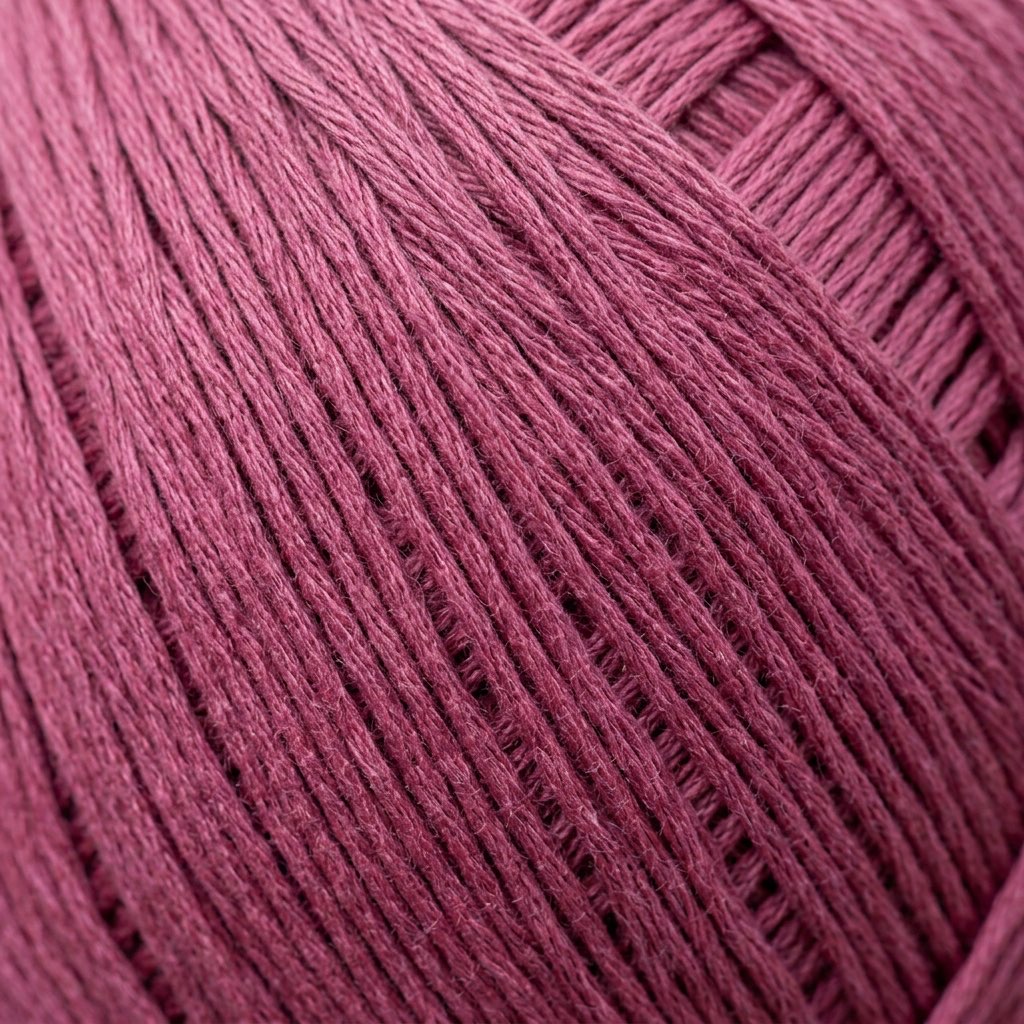
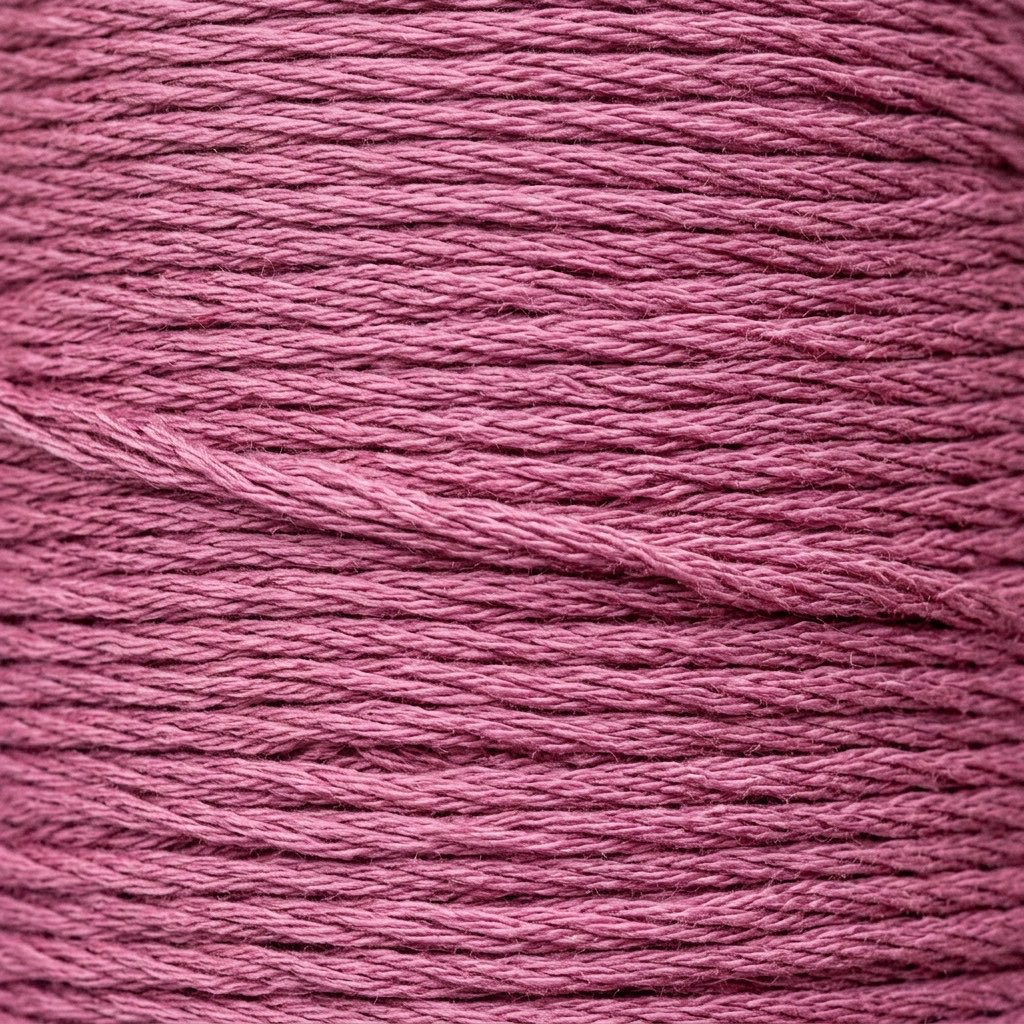
How DMC 120 Looks on Fabric
The same thread appears different depending on your fabric. Always test on your project fabric.
White Aida
Cream / Ecru
Black Aida
Pairs Well With
DMC colors commonly used alongside 120 Variegated Shaded Mauve.
Suggested Palette
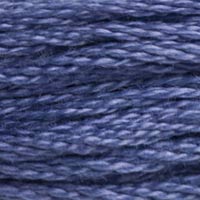
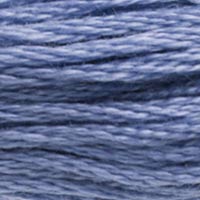
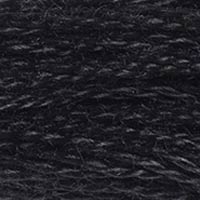
Shading Companions
Detailed Conversions
Where to Buy DMC 120
This section contains affiliate links. We may earn a small commission at no cost to you.
Related Guides
Free Printable Thread Conversion Chart
Pick a brand and download a printable chart mapping all 552 DMC colors to that brand's closest equivalents. Free — no signup needed.
Opens in a new tab. Use your browser's Print → Save as PDF.