
Quick Conversion Table
| Brand | Equivalent | Match |
|---|---|---|
| Anchor | 280 | close |
| Madeira | 1615 | close |
| Cosmo ⚠ | 984 | close |
| Sullivans | 45329 | close |
The Green of Unripe Things
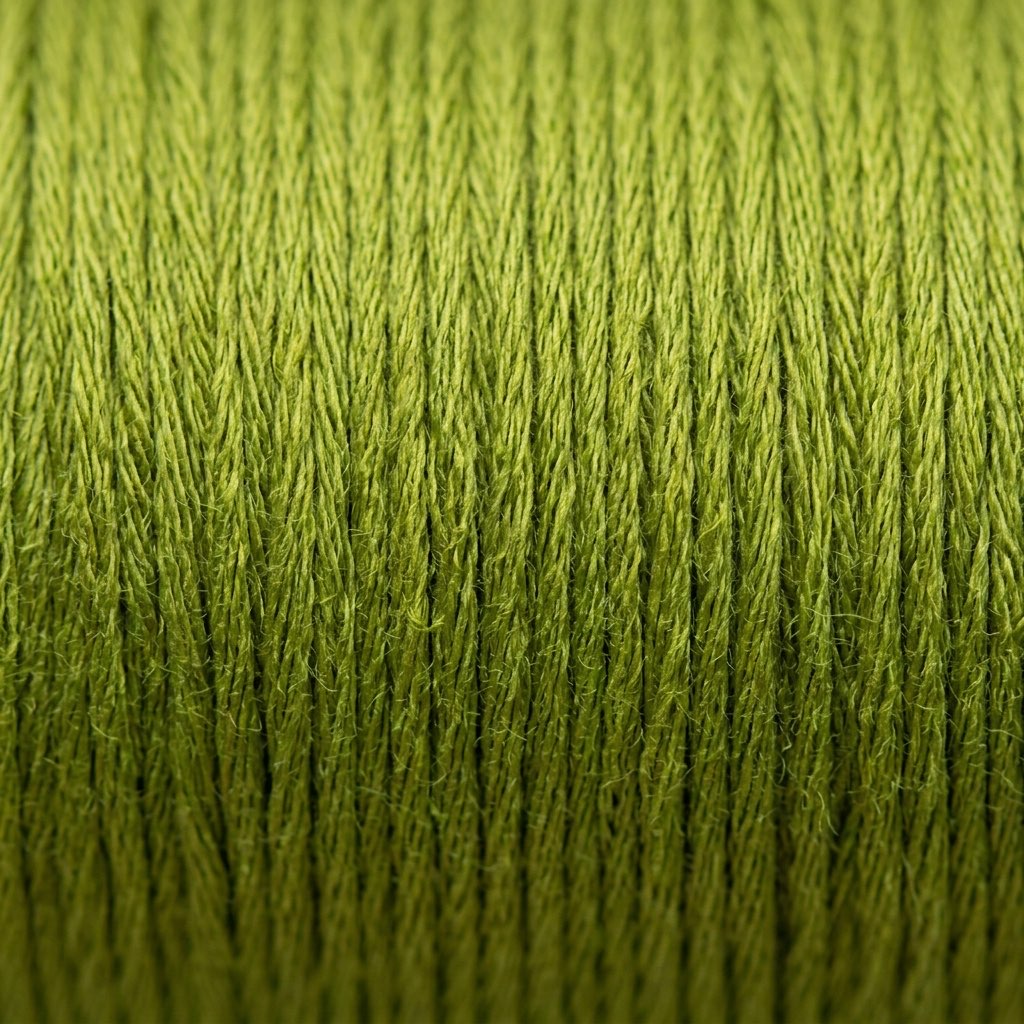
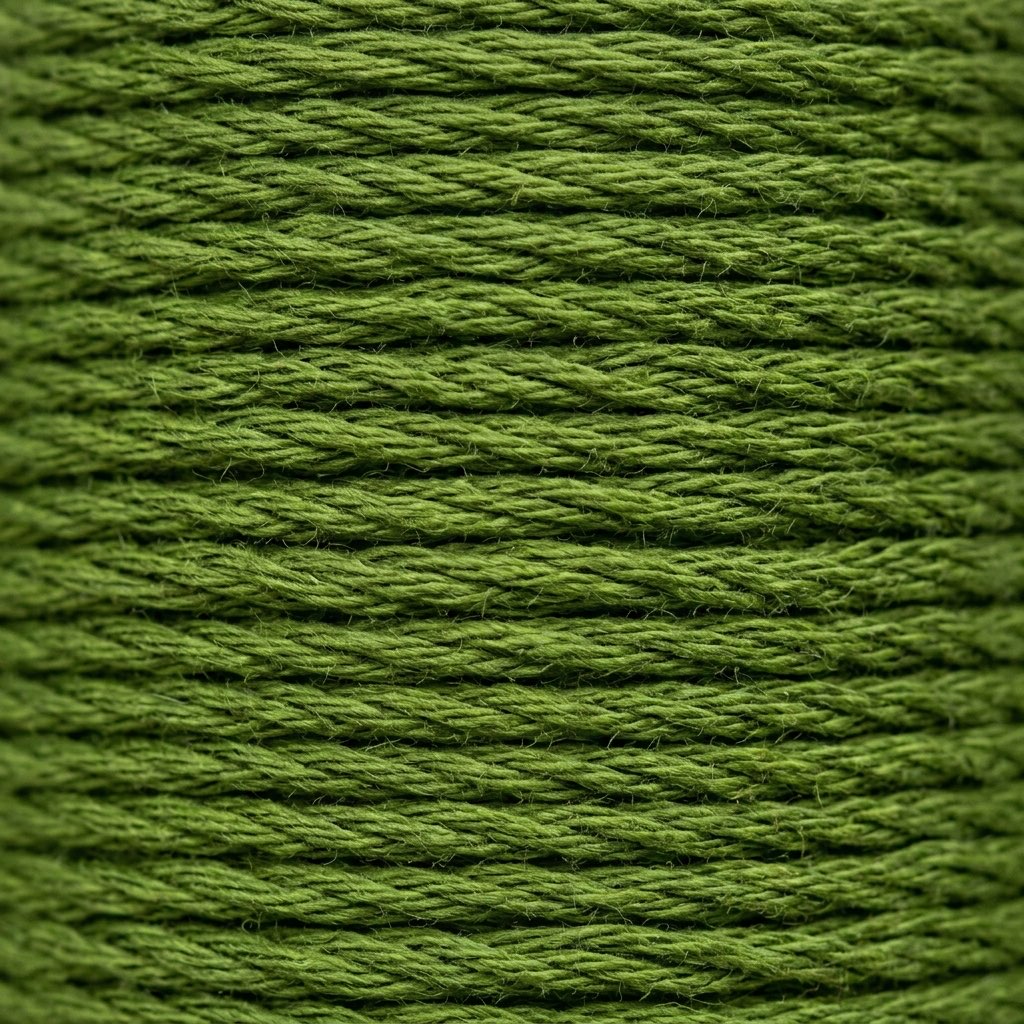
Every fruit has a moment when it's not quite ready — still firm, still tart, the sugars haven't developed, but the color is utterly distinctive. That particular shade of green, rich and solid with visible yellow undertones but not yet showing any hint of the red or gold the fruit will eventually become. Green tomatoes. Unripe limes. Sour apples. Olives straight off the branch. DMC 282 captures that specific moment in ripening, and it brings all the associations with it: freshness, tartness, potential energy, the promise of something that isn't finished yet.
As the lightest member of the 280/281/282 yellow-green gradient, 282 functions as the midtone — the value where form is most readable, where shapes and details are clearest. In a design using all three, 280 creates depth and shadow, 281 provides mass and body, and 282 defines the surfaces that face the light. It's the green that does the actual descriptive work while its darker siblings handle atmosphere.
Gradient Building: Where 282 Fits in the Larger Green Spectrum
One of the strengths of DMC's green range — and also one of its challenges — is the sheer number of options. With dozens of greens to choose from, knowing which ones actually work together requires either experience or a system. The yellow-green axis (280, 281, 282) connects naturally upward to DMC 470 (Light Avocado Green) and DMC 471 (Very Light Avocado Green), giving you a five-step warm-green gradient from near-black to light chartreuse. This progression handles everything from deep forest floor to sun-bleached hilltop.
Where 282 becomes particularly useful is in transitional zones of landscape work — the areas where a design moves from shadow to light, or from foreground to middle distance. It's readable enough to carry small details (individual leaf shapes, grass blade textures, small botanical motifs) while still being dark enough to feel grounded rather than floating. On 14-count Aida, two strands of 282 produce a clean, solid stitch with enough visual weight to anchor midtone foliage areas.
For stitchers who enjoy over-one work on high-count linens, 282 is well-suited to miniature landscape and nature scenes. Its saturation holds up even at tiny stitch sizes, remaining clearly green rather than muddying into brown the way some muted greens do when reduced to single-thread crosses on 36- or 40-count. If you're stitching a tiny vine border or a miniature tree, 282 gives you legibility that lighter or more muted alternatives can't match.
Unexpected Uses: Beyond Foliage
While nature scenes are the obvious home for 282, this thread has interesting applications in geometric and abstract designs. Its saturation and warmth make it a strong partner for DMC 720 (Dark Orange Spice) and DMC 783 (Medium Topaz) in designs that reference autumn harvest, Arts and Crafts movement aesthetics, or mid-century modern color schemes. A William Morris-inspired repeating pattern stitched in 282, deep gold, and burnt sienna captures the organic geometry of that design tradition beautifully.
All four cross-brand matches for DMC 282 are rated as close rather than exact, which means you'll want to test before committing. The yellow-green space at this medium saturation is crowded — many brands have a thread that's close but subtly different, and the differences accumulate when you're building a gradient.
Anchor 280 is probably the safest first choice. It captures the general warmth and value of 282, though as with many Anchor olive-range threads, there can be a slight lean toward cooler green. If you're stitching 282 as a standalone color surrounded by non-greens, this won't matter. If it's part of the 280/281/282 DMC gradient, test it against the adjacent values first.
Madeira 1615 handles the medium-value olive zone well, and at this midtone value, Madeira's smoother finish is slightly more noticeable than it is on darker threads. The result on evenweave or linen can be quite attractive — the olive tone gains a subtle luminosity that DMC's more matte finish doesn't provide.
Cosmo 984 and Sullivans 45329 are both available alternatives that approximate the color space. The practical advice for any substitute in this family: hold your candidate thread against your fabric in natural daylight (not store lighting, not tungsten, not blue-white LED) and squint. If it reads as the same temperature of green, you're likely safe. If it reads cooler, it will pull toward the sage-green family and won't connect naturally to the warm olive tones that 282 is meant to work with.
Reference quality
How We Validate This Color Record
Use this page as a reference card for DMC 282: the structured data, quick conversions, and long-form copy are all tied back to the same stored color record.
- Methodology
- This page renders DMC 282, its hex value, and every brand equivalent from the site's source-of-truth color record, then checks long-form body copy against those same stored fields.
- Verification status
- Source-field checked. The page content is audited against the stored DMC number, brand equivalents, and match-quality labels before publishing.
- Last reviewed
- 2026-04-20
- Approximation warning
- Screen hex values, thread photos, and cross-brand conversions are reference aids. Dye lots, thread sheen, and fabric color can still shift the result in hand.
Decision guide
When to use the DMC 282 reference page
This page should help you decide faster between palette planning, brand substitution, and shade comparison without turning the color record into a thin lookup page.
Best for
- + Palette planning when you want the stored DMC 282 Medium Yellow Green record, hex value #789018, and linked brand equivalents in one place.
- + Checking the quickest cross-brand shortlist before you buy floss, compare stash substitutes, or route into a more specific conversion page.
- + Finding nearby shades in the greens family before you commit to accents, shading, or background blends.
Watch for
- ! Screen previews are only reference aids. Medium Yellow Green can shift on real fabric because thread sheen, stitch coverage, and room lighting change how the color reads.
- ! A stored equivalent is still a shortlist, not a guarantee that two brands will disappear into each other in the same stitched motif.
- ! Older charts, discontinued kit floss, and dye-lot variation can all introduce small but visible differences that the page cannot detect for you.
Before you commit
- Confirm the role of DMC 282 Medium Yellow Green: decide whether you need an exact hero shade, a forgiving background, or a rough stash substitute.
- Compare on project fabric: view the skein or stitched sample on the same fabric count and color you will actually use.
- Use the linked conversion pages next: open the brand-specific pages when you need match-quality caveats before substituting away from the DMC reference.
DMC 282 FAQ
These questions appear on the page so the FAQ schema stays aligned with what visitors can actually read.
What is the Anchor equivalent of DMC 282?+
The closest Anchor equivalent to DMC 282 (Medium Yellow Green) is Anchor 280. This is a close match.
What color is DMC 282?+
DMC 282 is called "Medium Yellow Green" and has a hex color value of #789018. It belongs to the greens color family.
What is the Madeira equivalent of DMC 282?+
The closest Madeira equivalent to DMC 282 (Medium Yellow Green) is Madeira 1615. This is a close match.
How DMC 282 Looks on Fabric
The same thread appears different depending on your fabric. Always test on your project fabric.
White Aida
Cream / Ecru
Black Aida
Pairs Well With
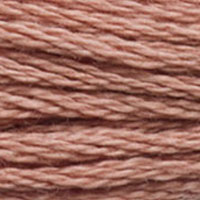
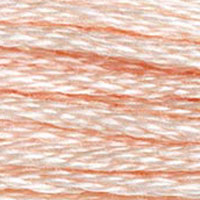
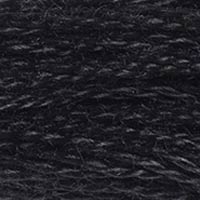
DMC colors commonly used alongside 282 Medium Yellow Green.
Suggested Palette
Shading Companions
Detailed Conversions
Where to Buy DMC 282
This section contains affiliate links. We may earn a small commission at no cost to you.
Related Guides
Free Printable Thread Conversion Chart
Pick a brand and download a printable chart mapping all 552 DMC colors to that brand's closest equivalents. Free — no signup needed.
Opens in a new tab. Use your browser's Print → Save as PDF.