
Quick Conversion Table
| Brand | Equivalent | Match |
|---|---|---|
| Anchor | 887 | close |
| Madeira | 2110 | close |
| Cosmo ⚠ | 823 | close |
| Sullivans | 45084 | close |
| J&P Coats | 5898 | close |
DMC 371: The Middle Child of Mustard
Every shading family has a middle value — the thread that sits between the dramatic dark anchor and the airy highlight, doing the quiet work of making transitions believable. DMC 371 Mustard is exactly that thread. Flanked by DMC 370 (Medium Mustard) below and DMC 372 (Light Mustard) above, 371 is the bridge tone that makes the gradient sing rather than jump.
But calling 371 "just a bridge" undersells it. At hex #BFA671, this is a warm, slightly greenish gold with real personality. It's the color of dried grass in early autumn — not yet brown, but well past the fresh green of summer. It's honey that's crystallized in the jar, turning from liquid amber to opaque, sandy gold. It's the aged brass hardware on an antique piece of furniture.
Bee and Honey Designs
If you're stitching anything related to bees, beekeeping, or honey, you probably need DMC 371 in your needle at some point. The world of apiary cross-stitch has exploded in popularity, and the color palette of a realistic honeybee demands exactly this kind of muted, earthy gold. Bright yellows like DMC 743 (Medium Yellow) or DMC 726 (Light Topaz) look too vivid for bee bodies — real bees are dustier and more subdued than we tend to remember. DMC 371 captures that authentic muted warmth.
For honeycomb patterns, 371 works as the mid-tone cell color, with DMC 372 (Light Mustard) for cells catching the light and DMC 370 (Medium Mustard) for shadow cells. Add DMC 3829 (Very Dark Old Gold) for the cell walls and outlines, and you've got a honeycomb that looks genuinely three-dimensional. A touch of DMC 3855 (Light Autumn Gold) brings in the liquid honey gleam where cells are full.
The Practical Stitching Angle
DMC 371 handles well in the needle. Its medium saturation means good coverage without the transparency issues that lighter yellows suffer from, and it's not so dark that it competes with your outline colors. It's the kind of thread you can stitch with for an hour without thinking about technique adjustments — it just works.
Where 371 gets particularly useful is in large-count projects. On 18-count or smaller, subtle color differences start to compress — your eye can't distinguish fine gradations as easily. In these situations, 371 can serve as a single-thread replacement for the entire 370-372 range, simplifying your palette without sacrificing the overall golden-mustard impression. Over-two on 28-count linen, it produces a stitch that captures the warm, aged quality of antique samplers beautifully.
For palette suggestions beyond the mustard family, DMC 371 pairs surprisingly well with muted blues like DMC 931 (Medium Antique Blue) or DMC 3768 (Dark Gray Green) for sophisticated, understated color schemes. These aren't high-contrast combinations — they're the color palettes you'd find in a well-curated farmhouse kitchen or a William Morris textile design.
Replacing DMC 371 Mustard
The middle value of a shading family is paradoxically the hardest to substitute, because it needs to bridge specific lighter and darker values. If you're only using 371 as a standalone color, matching is easier; if you're using the full 370-372 trio, the replacement needs to fall correctly between them.
Anchor 887 is a close match. Anchor's version tends to be fractionally more yellow and less olive than DMC's, which can actually make it a better choice for projects where you want the mustard to feel warmer. Compare under daylight — artificial light tends to flatten the subtle undertone differences between these two.
Madeira 2110 is close and maintains the earthy quality well. Madeira's cotton has a slightly silkier texture that lays beautifully on evenweave and linen, making it a pleasant option if you're stitching on those fabrics.
Cosmo 823 offers a close match. Cosmo threads tend to be very slightly thinner than DMC, which at this medium value can affect coverage — you may want to consider an extra strand if you're getting fabric show-through on looser weave fabrics.
Within DMC, if 371 is unavailable, your best bet depends on context. For warmer projects (bees, honey, autumn), lean toward DMC 3821 (Straw), which is brighter but captures a similar gold. For cooler, more muted projects (nature scenes, heritage designs), DMC 833 (Light Golden Olive) provides comparable depth with slightly more green character.
Reference quality
How We Validate This Color Record
Use this page as a reference card for DMC 371: the structured data, quick conversions, and long-form copy are all tied back to the same stored color record.
- Methodology
- This page renders DMC 371, its hex value, and every brand equivalent from the site's source-of-truth color record, then checks long-form body copy against those same stored fields.
- Verification status
- Source-field checked. The page content is audited against the stored DMC number, brand equivalents, and match-quality labels before publishing.
- Last reviewed
- 2026-04-20
- Approximation warning
- Screen hex values, thread photos, and cross-brand conversions are reference aids. Dye lots, thread sheen, and fabric color can still shift the result in hand.
Decision guide
When to use the DMC 371 reference page
This page should help you decide faster between palette planning, brand substitution, and shade comparison without turning the color record into a thin lookup page.
Best for
- + Palette planning when you want the stored DMC 371 Mustard record, hex value #BFA671, and linked brand equivalents in one place.
- + Checking the quickest cross-brand shortlist before you buy floss, compare stash substitutes, or route into a more specific conversion page.
- + Finding nearby shades in the yellows family before you commit to accents, shading, or background blends.
Watch for
- ! Screen previews are only reference aids. Mustard can shift on real fabric because thread sheen, stitch coverage, and room lighting change how the color reads.
- ! A stored equivalent is still a shortlist, not a guarantee that two brands will disappear into each other in the same stitched motif.
- ! Older charts, discontinued kit floss, and dye-lot variation can all introduce small but visible differences that the page cannot detect for you.
Before you commit
- Confirm the role of DMC 371 Mustard: decide whether you need an exact hero shade, a forgiving background, or a rough stash substitute.
- Compare on project fabric: view the skein or stitched sample on the same fabric count and color you will actually use.
- Use the linked conversion pages next: open the brand-specific pages when you need match-quality caveats before substituting away from the DMC reference.
DMC 371 FAQ
These questions appear on the page so the FAQ schema stays aligned with what visitors can actually read.
What is the Anchor equivalent of DMC 371?+
The closest Anchor equivalent to DMC 371 (Mustard) is Anchor 887. This is a close match.
What color is DMC 371?+
DMC 371 is called "Mustard" and has a hex color value of #BFA671. It belongs to the yellows color family.
What is the Madeira equivalent of DMC 371?+
The closest Madeira equivalent to DMC 371 (Mustard) is Madeira 2110. This is a close match.
How DMC 371 Looks on Fabric
The same thread appears different depending on your fabric. Always test on your project fabric.
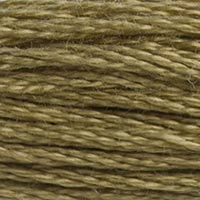
White Aida
Cream / Ecru
Black Aida
Pairs Well With
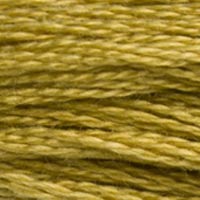
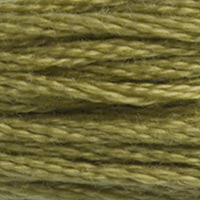
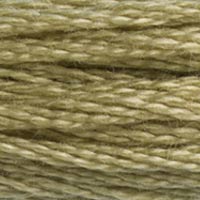
DMC colors commonly used alongside 371 Mustard.
Suggested Palette
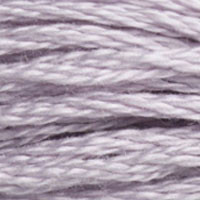
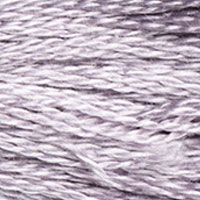
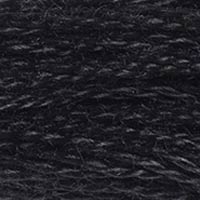
Shading Companions
Detailed Conversions
Where to Buy DMC 371
This section contains affiliate links. We may earn a small commission at no cost to you.
Related Guides
Free Printable Thread Conversion Chart
Pick a brand and download a printable chart mapping all 552 DMC colors to that brand's closest equivalents. Free — no signup needed.
Opens in a new tab. Use your browser's Print → Save as PDF.