
Quick Conversion Table
| Brand | Equivalent | Match |
|---|---|---|
| Anchor | 128 | close |
| Madeira | 1017 | close |
| Cosmo ⚠ | 178 | close |
| Sullivans | 45206 | close |
The Ghost Thread
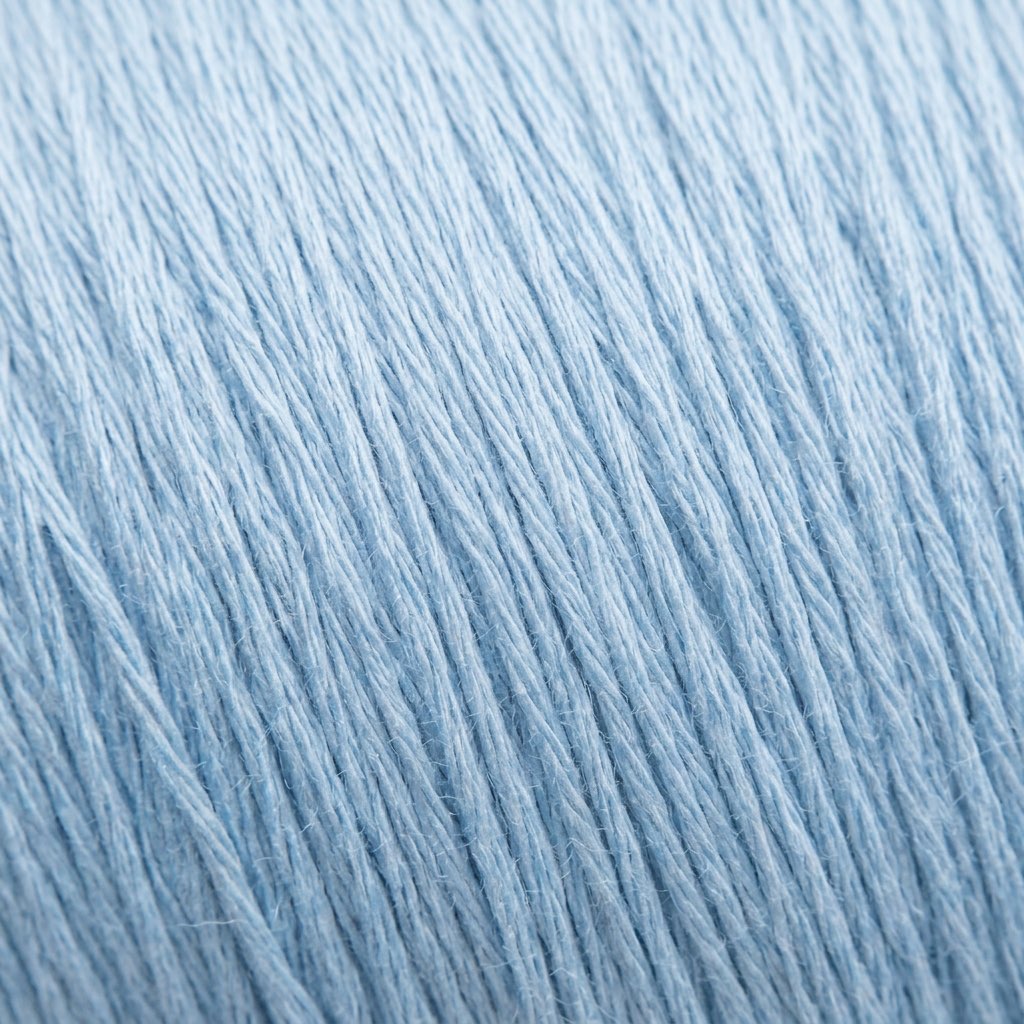
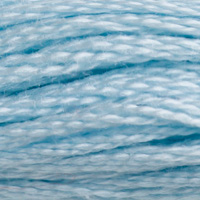
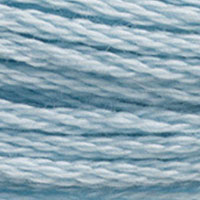
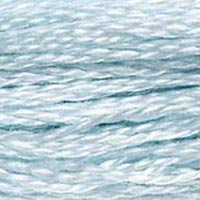
Some threads demand attention. DMC 548 does the opposite — it asks you to forget it's there. With a hex value of #D8E8F4, this is a blue so pale it verges on white, the barest whisper of color, like breathing on a cold window and watching the moisture catch the faintest blue from the sky outside. On white Aida, 548 is nearly invisible. On cream or ecru fabric, it reads as a subtle cool tint against the warm ground. Either way, it is the closest thing cross-stitch offers to painting with light itself.
This near-invisibility is not a weakness. It is 548's entire purpose. In a discipline built on tiny colored squares, there is enormous value in a square that barely registers as colored — that modulates a surface without declaring itself, that shifts the temperature of a white area from neutral to cool without announcing "blue thread was used here." This is the thread you reach for when you need less rather than more, when the design needs space to breathe and your palette needs a color that functions more like a sigh than a statement.
The Rarity of True Blue in Nature — And in Thread
Botanists and entomologists will tell you that true blue is the rarest color in the natural world. Most "blue" flowers are actually violet. Most "blue" butterflies use structural color — microscopic scales that scatter light — rather than pigment. The sky itself isn't blue in the way that grass is green; the blue is a scattering effect, not a physical substance. When you hold a skein of 548, you are looking at something that captures this ephemeral quality: a blue that exists as the idea of blue rather than the fact of it. It's blue the way morning light is blue — present as an influence more than as a color.
This philosophical musing has practical implications. In designs that aim for naturalism — botanical studies, wildlife portraits, landscape scenes — 548 serves best not as a representational color but as an atmospheric one. It's the blue haze in a distant mountain range. The cool undertone in cloud shadows. The way white snow reads as faintly blue in the shade. These are all instances where blue exists in nature not as a surface color but as a quality of light, and 548 captures that distinction better than any more saturated option could.
Technical Realities of Stitching with Whispers
Let's be practical. Working with a thread this pale presents challenges. First, the visibility issue: on any fabric lighter than medium-value, you may struggle to see your stitches clearly as you work, especially in artificial light. A daylight-balanced task lamp helps enormously. Some stitchers find it easier to work pale threads during morning or afternoon sessions near a window rather than in the evening under room lighting.
Second, consistency matters more at pale values because every imperfection shows. A twisted stitch in DMC 820 (Very Dark Royal Blue) is hidden by the thread's own darkness. A twisted stitch in 548 catches light differently from its neighbors and creates a visible irregularity. Railroad every cross. Keep your tension even. Use the sewing method or stab method rather than scooping, which can catch the fabric and create uneven tension across the stitch.
Pair 548 with its family members DMC 547 (Pale Blue) and DMC 546 (Medium Baby Blue) for a gradient that moves from near-invisible to definitively present. Extend toward darker values with DMC 545 (Light Wedgwood Blue) for a four-thread progression. Or use 548 as the lightest value in a broader blue palette, providing the highlight touch that keeps darker blues from feeling heavy — a single row of 548 stitches at the edge of a blue-filled area creates a luminous rim that reads as reflected light.
Substituting at the Vanishing Point of Color
At this extreme pale end of the spectrum, every brand's version of "very pale blue" risks being functionally identical to every other brand's version — or diverging in ways that are almost impossible to evaluate until they're stitched into context. Anchor 128 (also listed as the equivalent for DMC 547, one step darker) is rated close, and the shared equivalent number tells you that Anchor's lineup doesn't differentiate as finely at this end of the range as DMC does. If your project uses both 547 and 548, substituting both with Anchor 128 will collapse the distinction between them.
Madeira 1017 is a close match that generally captures the spirit of the color — that is, barely there. The main variable at this value level is warmth versus coolness. Some brands' pale blues lean slightly lilac-warm; others lean slightly ice-cool. DMC 548 leans cool, and any substitute that introduces warmth will read differently against white fabric, where temperature differences are most visible.
Within DMC, the nearest alternative is DMC 775 (Very Light Baby Blue) or DMC 828 (Ultra Very Light Blue). Both live in the same whisper-pale territory, but 775 has a fractionally warmer cast and 828 is fractionally greener. At these values, "fractionally" is all the difference there is. For a design where 548 fills a small area or serves as an occasional accent, any of these alternatives will perform identically for all practical purposes. For a piece where 548 covers a significant area and defines the overall cool temperature of the design, source the real thing.
Reference quality
How We Validate This Color Record
Use this page as a reference card for DMC 548: the structured data, quick conversions, and long-form copy are all tied back to the same stored color record.
- Methodology
- This page renders DMC 548, its hex value, and every brand equivalent from the site's source-of-truth color record, then checks long-form body copy against those same stored fields.
- Verification status
- Source-field checked. The page content is audited against the stored DMC number, brand equivalents, and match-quality labels before publishing.
- Last reviewed
- 2026-04-20
- Approximation warning
- Screen hex values, thread photos, and cross-brand conversions are reference aids. Dye lots, thread sheen, and fabric color can still shift the result in hand.
Decision guide
When to use the DMC 548 reference page
This page should help you decide faster between palette planning, brand substitution, and shade comparison without turning the color record into a thin lookup page.
Best for
- + Palette planning when you want the stored DMC 548 Very Pale Blue record, hex value #D8E8F4, and linked brand equivalents in one place.
- + Checking the quickest cross-brand shortlist before you buy floss, compare stash substitutes, or route into a more specific conversion page.
- + Finding nearby shades in the blues family before you commit to accents, shading, or background blends.
Watch for
- ! Screen previews are only reference aids. Very Pale Blue can shift on real fabric because thread sheen, stitch coverage, and room lighting change how the color reads.
- ! A stored equivalent is still a shortlist, not a guarantee that two brands will disappear into each other in the same stitched motif.
- ! Older charts, discontinued kit floss, and dye-lot variation can all introduce small but visible differences that the page cannot detect for you.
Before you commit
- Confirm the role of DMC 548 Very Pale Blue: decide whether you need an exact hero shade, a forgiving background, or a rough stash substitute.
- Compare on project fabric: view the skein or stitched sample on the same fabric count and color you will actually use.
- Use the linked conversion pages next: open the brand-specific pages when you need match-quality caveats before substituting away from the DMC reference.
DMC 548 FAQ
These questions appear on the page so the FAQ schema stays aligned with what visitors can actually read.
What is the Anchor equivalent of DMC 548?+
The closest Anchor equivalent to DMC 548 (Very Pale Blue) is Anchor 128. This is a close match.
What color is DMC 548?+
DMC 548 is called "Very Pale Blue" and has a hex color value of #D8E8F4. It belongs to the blues color family.
What is the Madeira equivalent of DMC 548?+
The closest Madeira equivalent to DMC 548 (Very Pale Blue) is Madeira 1017. This is a close match.
How DMC 548 Looks on Fabric
The same thread appears different depending on your fabric. Always test on your project fabric.
White Aida
Cream / Ecru
Black Aida
Pairs Well With
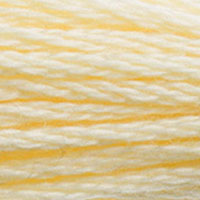
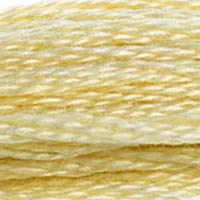
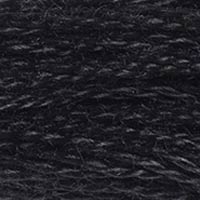
DMC colors commonly used alongside 548 Very Pale Blue.
Suggested Palette
Shading Companions
Detailed Conversions
Where to Buy DMC 548
This section contains affiliate links. We may earn a small commission at no cost to you.
Related Guides
Free Printable Thread Conversion Chart
Pick a brand and download a printable chart mapping all 552 DMC colors to that brand's closest equivalents. Free — no signup needed.
Opens in a new tab. Use your browser's Print → Save as PDF.