
Quick Conversion Table
| Brand | Equivalent | Match |
|---|---|---|
| Anchor | 73 | close |
| Madeira | 0607 | close |
| Cosmo ⚠ | 121 | close |
| Sullivans | 45466 | close |
| J&P Coats | 3086 | close |
Skin Tone Work and the Quiet Importance of 151
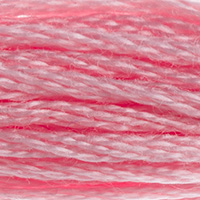
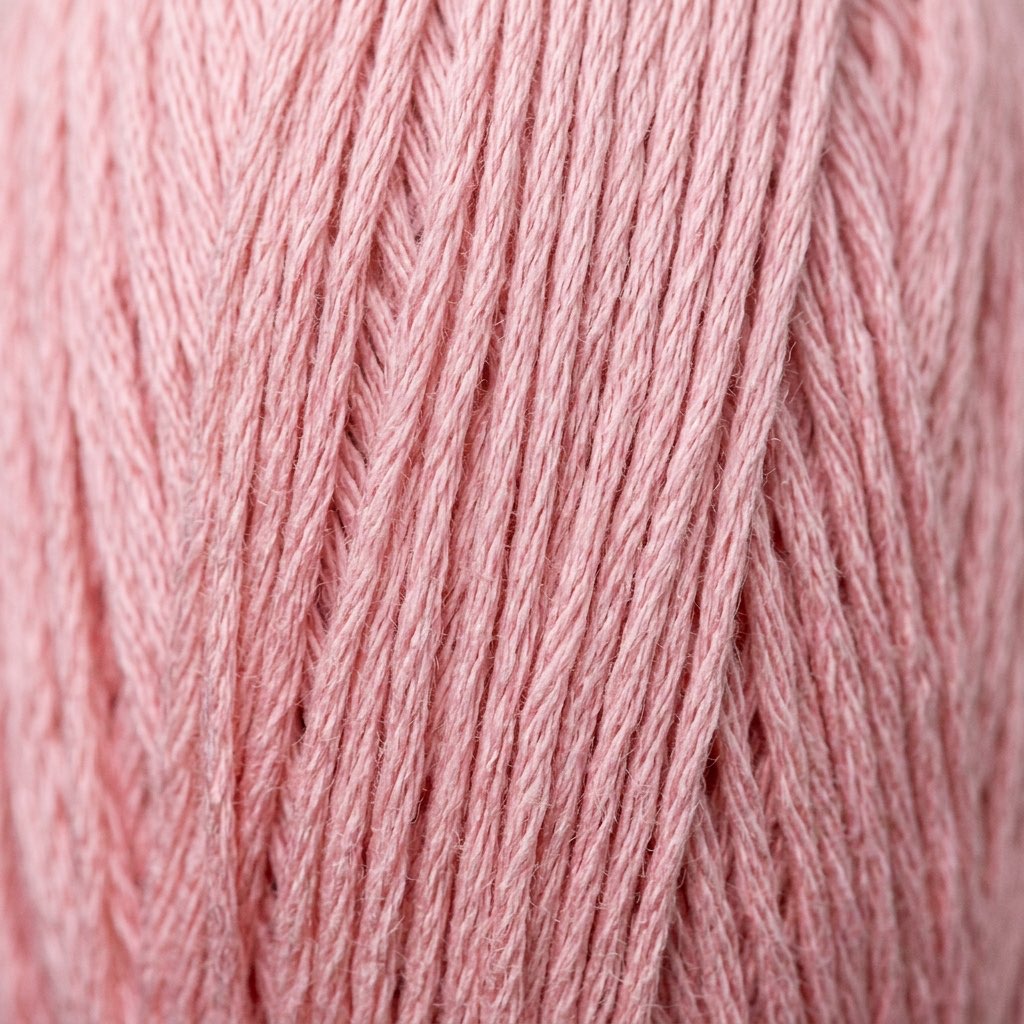
Every stitcher who has attempted a face knows the anxiety. Skin tones are unforgiving — get the pink wrong and your portrait subject looks sunburned, feverish, or ghostly. DMC 151 is one of those threads that portrait and figure stitchers return to constantly because it handles the delicate work of suggesting warmth beneath skin without overwhelming it. As a very light dusty rose, it sits in that critical zone between "clearly pink" and "almost skin-colored," making it useful as a blush tone, lip color, or rosy undertone for lighter complexions.
For light to medium skin tones, 151 provides the warm undertone layer that makes skin look alive rather than flat. Used as a blended needle with one strand of 151 and one strand of DMC 948 (Very Light Peach) or DMC 754 (Light Peach), you get a nuanced warm-pink that mimics the way blood shows through skin. The dusty quality — that slight greying that separates the dusty rose family from the bright carnation pinks — prevents the result from looking painted-on or artificial. Real skin is never purely pink; it's a complex mix of warm and cool, pink and peach and grey, and 151 contributes to that complexity beautifully.
Beyond skin work, 151 is the kind of pale pink that reads as elegant rather than juvenile. Where DMC 818 (Baby Pink) is straightforwardly sweet and soft, 151 has a maturity to it — the grey-muted undertone makes it suitable for wedding designs, formal monograms, and grown-up floral work where you want pink without any suggestion of the nursery. On white Aida, it's subtle enough that you need good light to distinguish it from the fabric, which is actually useful when you want a barely-there blush effect in backgrounds or borders.
The Dusty Rose Gradient and 151's Role
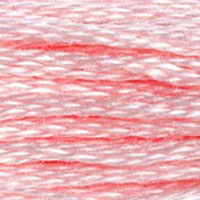
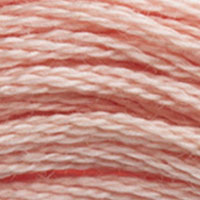
Within the dusty rose family, 151 serves as the near-highlight value — the lightest step before you reach bare fabric or white. The full gradient runs from DMC 150 (Ultra Very Dark Dusty Rose) through DMC 3350, DMC 3731, DMC 3354, and DMC 151, giving you five distinct values in a family that maintains consistent undertones throughout. This kind of cohesive gradient is gold for shading work, particularly in florals where petal shadows need to transition smoothly into highlights.
For rose stitching specifically, 151 handles the outermost petal edges — where light catches the thinnest part of the petal and the color nearly disappears into white. It also works beautifully for the translucent quality of petals where light passes through from behind. If your pattern calls for a lighter pink than 151, you're essentially at the point where DMC 819 (Light Baby Pink) or even Blanc with a wash of pink would step in. Very few patterns push the dusty rose family lighter than 151.
Fabric Interaction at Low Saturation
Pale threads are chameleons. They change personality depending on what they sit on, and 151 is no exception. On bright white 14-count Aida, 151 reads as a definite, identifiable pink — soft, but clearly present. Move to cream Aida and the pink warms noticeably, picking up yellow from the background. On natural linen, 151 practically merges with the fabric, creating an effect that's more suggested than stated — ideal for vintage samplers where subtlety is the aesthetic but potentially frustrating if you need the color to be clearly visible.
For designs where 151 needs to maintain its identity against the fabric, consider your ground color carefully. If you're stitching a birth sampler with pale pink details on white Aida, 151 will work but may require good lighting to appreciate. On antique white or cream fabric, the contrast improves slightly while the overall effect stays soft. The sweet spot for 151 visibility is probably a light oatmeal or warm grey fabric — enough contrast to show the pink clearly, with a warm background that flatters the dusty undertone.
Stitch coverage matters here too. On 14-count Aida with two strands, 151 covers well and shows its color reliably. On 18-count with two strands, you get denser coverage and slightly more color intensity. Over-two on 28-count linen, the fabric peeks through and dilutes the color further. If you find 151 too faint for your needs, try railroading every stitch to maximize thread coverage and minimize fabric show-through — the difference is subtle but visible, especially across larger stitched areas.
Pale pinks are deceptively hard to substitute because small differences in undertone become magnified at low saturation levels. Two threads that are both "very light pink" can read completely differently when stitched — one cool and grey, another warm and peachy — in ways that would be invisible at darker values.
Madeira 0607 is an exact match and the most reliable substitute. It captures the greyed, dusty quality that separates 151 from the brighter baby pinks, and at this pale value, Madeira's slightly different thread finish has minimal visual impact. Anchor 73 is close and serviceable, though some stitchers notice a fractional shift toward warmer pink. For skin tone work where the undertone genuinely matters, test Anchor 73 against your other flesh-tone threads on scrap fabric before committing.
Cosmo 121 approaches the dusty rose pale zone but may carry a slightly different grey quality — some Cosmo pinks lean a touch warmer in their muting. Sullivans 45466 is another candidate worth trying. With all substitutes at this value, the test that matters most is stitching them side by side on your actual fabric. Thread wrapped around a card looks different from thread stitched into fabric, and the difference matters most with pale, subtle colors.
Within DMC, the closest alternative is DMC 3689 (Light Mauve), which is a similar value but trends slightly more purple in its pink. DMC 819 (Light Baby Pink) is lighter and lacks the dusty greying. DMC 224 (Very Light Shell Pink) is comparable in value but comes from the warmer shell pink family. Any of these can work depending on the context, but none is a drop-in replacement — they each shift the character of the color in ways that matter when precision counts.
Reference quality
How We Validate This Color Record
Use this page as a reference card for DMC 151: the structured data, quick conversions, and long-form copy are all tied back to the same stored color record.
- Methodology
- This page renders DMC 151, its hex value, and every brand equivalent from the site's source-of-truth color record, then checks long-form body copy against those same stored fields.
- Verification status
- Source-field checked. The page content is audited against the stored DMC number, brand equivalents, and match-quality labels before publishing.
- Last reviewed
- 2026-04-20
- Approximation warning
- Screen hex values, thread photos, and cross-brand conversions are reference aids. Dye lots, thread sheen, and fabric color can still shift the result in hand.
Decision guide
When to use the DMC 151 reference page
This page should help you decide faster between palette planning, brand substitution, and shade comparison without turning the color record into a thin lookup page.
Best for
- + Palette planning when you want the stored DMC 151 Very Light Dusty Rose record, hex value #F0CED4, and linked brand equivalents in one place.
- + Checking the quickest cross-brand shortlist before you buy floss, compare stash substitutes, or route into a more specific conversion page.
- + Finding nearby shades in the pinks family before you commit to accents, shading, or background blends.
Watch for
- ! Screen previews are only reference aids. Very Light Dusty Rose can shift on real fabric because thread sheen, stitch coverage, and room lighting change how the color reads.
- ! A stored equivalent is still a shortlist, not a guarantee that two brands will disappear into each other in the same stitched motif.
- ! Older charts, discontinued kit floss, and dye-lot variation can all introduce small but visible differences that the page cannot detect for you.
Before you commit
- Confirm the role of DMC 151 Very Light Dusty Rose: decide whether you need an exact hero shade, a forgiving background, or a rough stash substitute.
- Compare on project fabric: view the skein or stitched sample on the same fabric count and color you will actually use.
- Use the linked conversion pages next: open the brand-specific pages when you need match-quality caveats before substituting away from the DMC reference.
DMC 151 FAQ
These questions appear on the page so the FAQ schema stays aligned with what visitors can actually read.
What is the Anchor equivalent of DMC 151?+
The closest Anchor equivalent to DMC 151 (Very Light Dusty Rose) is Anchor 73. This is a close match.
What color is DMC 151?+
DMC 151 is called "Very Light Dusty Rose" and has a hex color value of #F0CED4. It belongs to the pinks color family.
What is the Madeira equivalent of DMC 151?+
The closest Madeira equivalent to DMC 151 (Very Light Dusty Rose) is Madeira 0607. This is a close match.
How DMC 151 Looks on Fabric
The same thread appears different depending on your fabric. Always test on your project fabric.
White Aida
Cream / Ecru
Black Aida
Pairs Well With
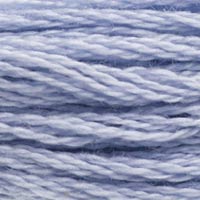
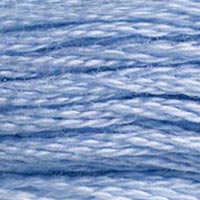
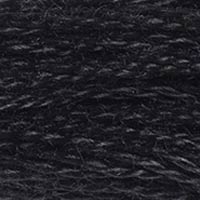
DMC colors commonly used alongside 151 Very Light Dusty Rose.
Suggested Palette
Detailed Conversions
Where to Buy DMC 151
This section contains affiliate links. We may earn a small commission at no cost to you.
Related Guides
Free Printable Thread Conversion Chart
Pick a brand and download a printable chart mapping all 552 DMC colors to that brand's closest equivalents. Free — no signup needed.
Opens in a new tab. Use your browser's Print → Save as PDF.